
Overview
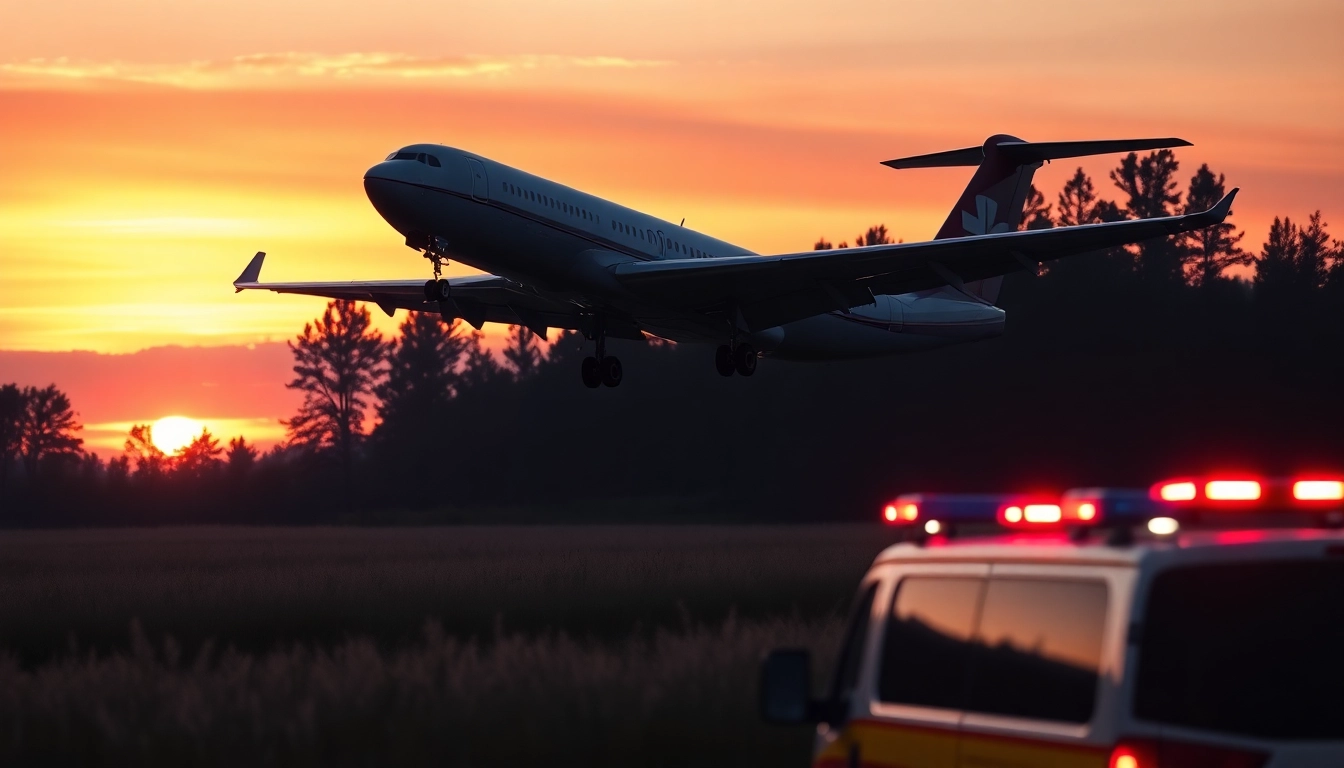
An emergency landing is one of the most critical and high-stress situations in aviation. When a flight encounters a serious issue, pilots must quickly make decisions to ensure the safety of passengers and crew. Airlines train rigorously to handle emergency landings effectively, involving coordinated efforts between flight crews, air traffic controllers, ground emergency responders, and airline operations teams. This article explores how airlines prepare for and manage emergency landing, examining the protocols, communication strategies, and safety measures that come into play during these intense moments.
Understanding Emergency Landings
An emergency landing occurs when a pilot must land an aircraft unexpectedly due to mechanical failure, medical emergencies, adverse weather conditions, security threats, or other urgent situations. These landings differ from routine or scheduled landings because they require immediate action to prevent catastrophe. Airlines recognize the gravity of emergency landings and emphasize prevention, preparation, and swift response to mitigate risks.
The first step in managing an emergency landing is recognizing the nature of the crisis. Pilots undergo extensive training in simulator sessions replicating various emergency scenarios, including engine failures, fire, decompression, and system malfunctions. This training ensures they remain calm and competent when facing real emergencies. During an emergency landing, pilots coordinate closely with air traffic control, declaring an emergency, and requesting priority landing clearance. Air traffic controllers clear the runway, redirect other traffic, and alert emergency services on the ground to stand by for immediate response.
Airline Protocols During Emergency Landings
Airlines have detailed protocols to handle emergency landings efficiently. Once an emergency is identified, the captain informs the cabin crew, initiating safety procedures. Cabin crew members instruct passengers to fasten seat belts, assume brace positions, and secure loose items. The cockpit crew runs through emergency checklists tailored to the specific situation. Communication is vital; the crew keeps passengers informed to reduce panic and confusion.
Ground operations also play a crucial role. Airport emergency teams are alerted to be ready with fire trucks, ambulances, and rescue personnel. The airline’s operations center mobilizes crisis management teams to coordinate with airport authorities and family support services. In some cases, the airline arranges alternative transportation and accommodation for stranded passengers after the emergency landing.
Communication During Emergency Landings
Effective communication is paramount during an emergency landing. Pilots must provide clear, concise information to air traffic controllers, enabling quick decision-making. Controllers communicate with multiple stakeholders, ensuring that runways are cleared, emergency services are in position, and other flights are managed to avoid delays or additional risks.
Inside the cabin, the flight attendants’ communication skills are tested. Calm, authoritative announcements guide passengers through safety measures, helping maintain order. Airlines often use public address systems and in-flight communication tools to keep everyone updated. After an emergency landing, communication continues as the airline provides updates to passengers, relatives, and media outlets, managing information carefully to maintain trust and transparency.
Training and Simulation for Emergency Landings
One of the most significant factors in successful emergency landings is comprehensive training. Airlines invest heavily in simulator-based training, exposing pilots to realistic emergency scenarios. These simulations replicate the sounds, visuals, and pressures of real crises, preparing pilots to execute emergency landings with precision and confidence.
Cabin crew members also receive rigorous training, focusing on evacuation procedures, first aid, and passenger management during emergencies. Regular drills ensure that crew can quickly respond to commands and assist passengers effectively. Airlines update training programs continuously based on lessons learned from past incidents and advances in aviation technology.
Safety Technology and Emergency Landings
Advancements in aircraft technology have significantly improved the management of emergency landings. Modern aircraft are equipped with sophisticated diagnostic systems that alert pilots to potential issues early, enabling preventive action. Fly-by-wire systems and automated controls assist pilots in maintaining control during difficult situations.
Aircraft also have enhanced emergency equipment, including inflatable slides, oxygen masks, and fire suppression systems, which are crucial during emergency landings. Airlines ensure that all safety equipment is regularly inspected and maintained to be fully operational when needed. These technological aids, combined with human expertise, contribute to safer emergency landings.
Passenger Preparedness and Emergency Landings
Passengers play a role in emergency landings by following safety instructions and remaining calm. Airlines emphasize the importance of paying attention to safety briefings before takeoff, including how to locate exits and use safety equipment. During an emergency landing, compliance with crew instructions is essential to ensure a smooth evacuation if required.
Some airlines provide additional materials, such as safety videos and brochures, to educate passengers about emergency procedures. Awareness and preparedness can make a significant difference in how passengers react during the stressful moments of an emergency landing.
Real-Life Examples of Emergency Landings
History provides numerous examples of emergency landings where airline crews’ skill and professionalism saved lives. For instance, the "Miracle on the Hudson" in 2009 saw Captain Chesley Sullenberger successfully perform an emergency landing on the Hudson River after both engines failed. The crew’s training, communication, and quick decision-making led to the survival of all 155 people on board.
Other incidents have involved emergency landings due to medical emergencies or mechanical failures, each highlighting the importance of thorough preparation and coordination. These real-world cases serve as valuable learning tools for airlines to improve their emergency response protocols.
Conclusion
An emergency landing is one of the most challenging situations airlines face, requiring a seamless blend of training, technology, communication, and coordination. From pilot decision-making and crew management to ground emergency response, every aspect is designed to protect lives and minimize risks. Airlines continually refine their strategies to handle emergency landings effectively, ensuring that when crises occur, safety remains the top priority. Understanding these processes helps passengers appreciate the professionalism behind every emergency landing and the dedication involved in safeguarding their journeys.