
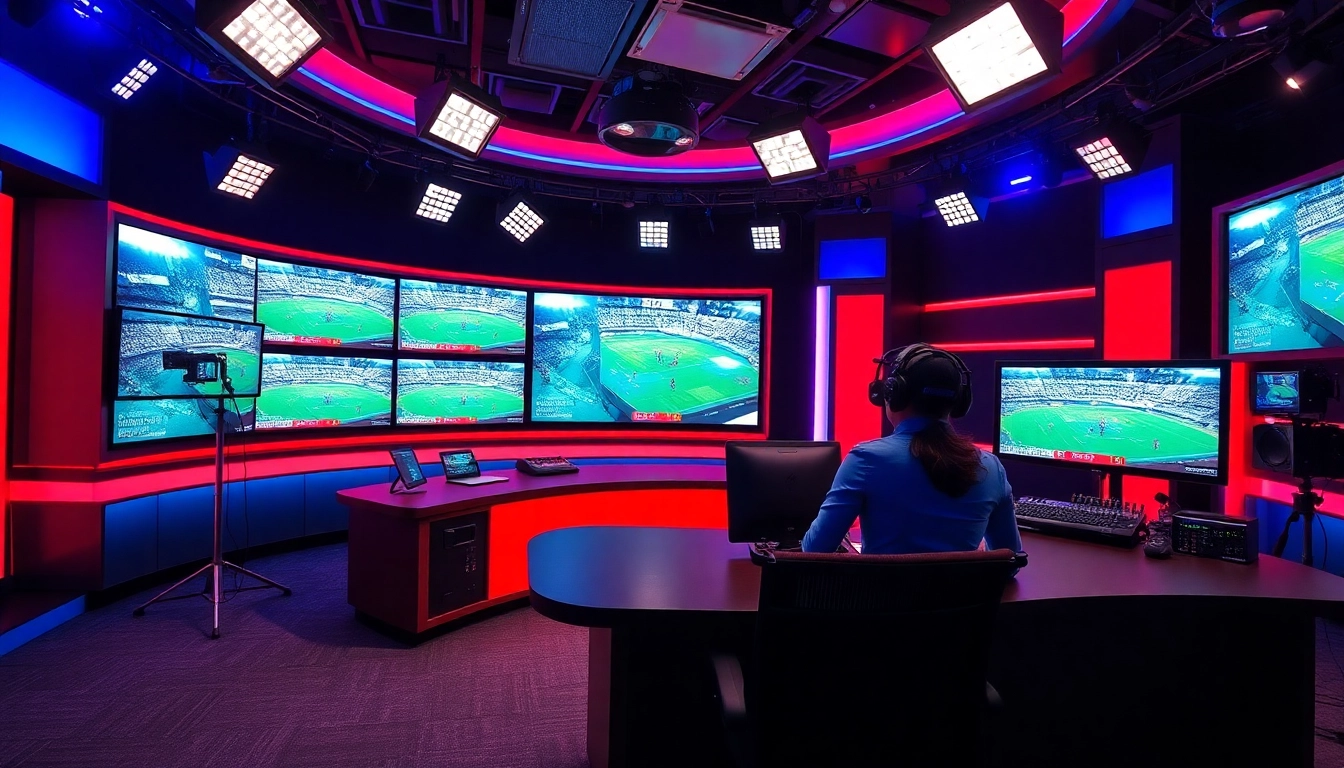
Understanding Sports Broadcasting
The Role of Sports Broadcasting
Sports broadcasting plays a pivotal role in connecting fans to their favorite events and athletes. By producing live events on platforms ranging from traditional television to online streaming, it enhances the excitement and engagement of sports. A well-executed broadcast can make viewers feel immersed in the action, bridging the gap between the stadium and the home. The importance of Sports Broadcasting extends beyond mere entertainment; it shapes the culture of how athletes and events are perceived, influencing everything from trends to fan loyalty.
Key Components of Successful Sports Broadcasting
To craft a compelling sports broadcast, several key components must be considered. These include high-quality visuals, engaging commentary, and real-time updates. The importance of sound quality cannot be overstated, as viewers rely on audio to enhance their understanding of the action. Additionally, graphics and information packages play a crucial role in keeping the audience informed, providing stats and insights that enrich the viewing experience. Together, these elements create an immersive environment that draws viewers in and keeps them engaged from start to finish.
Historical Evolution of Sports Broadcasting
The roots of sports broadcasting can be traced back to the early 20th century when radio broadcasts began to air play-by-play commentary of major sporting events. This evolution continued with the advent of television in the 1950s, which revolutionized how fans consumed sports. Over the decades, technology has advanced remarkably, from black-and-white broadcasts to high-definition and now 4K streaming. Each of these innovations has contributed to a richer viewer experience, making sports broadcasting an essential part of modern entertainment. Understanding this history is crucial for broadcasters today, as it informs best practices and anticipates future developments.
Essential Techniques in Sports Broadcasting
Effective Commentary Strategies
Effective commentary is crucial for engaging viewers and providing context to the action on screen. Commentators must be knowledgeable, articulate, and able to adapt their style to diverse audiences. A successful commentator strikes a balance between play-by-play descriptions and color commentary, offering insights and analysis without overshadowing the action. Techniques such as storytelling, using anecdotes, and incorporating historical context can enhance the viewing experience. Additionally, understanding the audience’s demographics helps tailor the commentary to resonate better, ensuring that all fans feel connected to the broadcast.
Utilizing Technology in Sports Broadcasting
Technology plays an indispensable role in modern sports broadcasting. High-definition cameras deliver crisp visuals, while advancements like drone cameras and robotic rigs provide innovative angles that were once thought unattainable. Real-time graphics and augmented reality are also becoming common, allowing broadcasters to present complex data in digestible formats. The use of social media platforms for interaction and feedback is crucial as well, enabling viewers to engage and participate in the broadcast. Emphasizing these technological advancements keeps sports broadcasts fresh and relevant, enhancing viewer engagement.
Engaging with the Audience
Engagement is at the heart of sports broadcasting. Broadcasters must create opportunities for interaction, whether through social media polls, live chats during the game, or viewer feedback mechanisms. Incorporating live statistics and polls during broadcasts encourages audience participation and keeps fans invested. Furthermore, using interactive elements like apps or websites that allow fans to experience behind-the-scenes content can deepen their connection to the event. Engaging with the audience ensures that viewers not only watch but actively participate in the sports experience.
Challenges in Sports Broadcasting
Addressing Technical Difficulties
Technical difficulties can derail even the best-planned broadcasts, leading to viewer frustration. Challenges can include equipment failure, connectivity issues, and signal interruptions. Effective planning is essential to minimize disruptions, including having backup equipment and technicians ready to troubleshoot problems. Additionally, establishing clear communication protocols among the production team ensures that potential problems are addressed quickly. Employing a thorough pre-broadcast checklist can also mitigate risks and ensure that the broadcast runs smoothly.
Managing Live Broadcast Pressure
Live broadcasts are fraught with pressure, as every moment is critical. Broadcasters must be able to think on their feet and adapt quickly to unexpected situations, from technical failures to last-minute changes in the event schedule. Developing strong team communication and establishing clear roles can significantly lessen stress. Practicing in rehearsal settings and simulating high-pressure scenarios can help the team prepare effectively. The ability to remain calm under pressure is a skill that can be nurtured through experience and training, ultimately enhancing the quality of live sports broadcasts.
Legal and Ethical Considerations
Sports broadcasting operates within a framework of legal and ethical guidelines. Issues such as copyright infringement, licensing rights, and the accuracy of information presented during broadcasts are critical. Broadcasters must ensure they have the appropriate rights to show events and that they respect athletes’ privacy and dignity. Transparency is vital, especially when discussing controversial topics related to sporting events. Implementing ethical broadcasting practices not only protects the broadcaster legally but also fosters trust and credibility with the audience.
Best Practices for Successful Sports Broadcasting
Developing Comprehensive Coverage Plans
A well-structured coverage plan is fundamental for successful broadcasts. This plan should outline the event’s timeline, the roles of various team members, and specific segments to include, such as interviews, highlights, and post-game analysis. Preparation ensures that the broadcast flows smoothly and that everyone knows their responsibilities. Furthermore, developing contingency plans for unforeseen circumstances—like weather changes in outdoor events—can help maintain a high broadcast standard despite adversities.
Leveraging Social Media for Engagement
Social media is a powerful tool for enhancing audience engagement before, during, and after broadcasts. By promoting upcoming events, sharing highlights, and encouraging viewer interaction, broadcasters can expand their reach and foster a community around their content. Creating dedicated hashtags and encouraging fans to share their experiences on social media can enhance connectivity. Live-tweeting or streaming behind-the-scenes content provides additional touchpoints for engagement, making fans feel like they’re a part of the action.
Feedback Mechanisms for Continuous Improvement
Feedback is essential for refining broadcasting practices and enhancing audience satisfaction. Utilizing surveys, social media comments, and viewer analytics can provide valuable insights into what viewers enjoy or find unengaging. Implementing changes based on this feedback can lead to improved broadcasts, as it demonstrates a commitment to the audience’s preferences. Continuous improvement should be a core value in sports broadcasting, ensuring that the content evolves with viewer expectations and technological advancements.
Future Trends in Sports Broadcasting
Impact of Streaming Services
The rise of streaming services has transformed the sports broadcasting landscape. Viewers increasingly favor on-demand content over traditional cable offerings, leading to a shift in how events are distributed and consumed. Sports networks are adapting by offering personalized viewing experiences and subscription services that cater to various preferences. This flexibility allows fans to watch their favorite sports anytime, anywhere, driving greater engagement. Understanding this trend is crucial for broadcasters aiming to stay relevant in an era of digital content consumption.
The Rise of Interactive Broadcasting
Interactive broadcasting is changing the way fans experience sports. Features such as multi-angle views, instant replays, and live polls foster a more engaging atmosphere. By allowing viewers to choose their perspective and interact in real-time, broadcasters can make the viewing experience more immersive. These innovations are vital for attracting younger audiences who seek interactive dimensions in their entertainment. We are likely to witness an increase in such capabilities as competition grows among broadcasters.
Emerging Technologies Shaping the Future
Emerging technologies such as augmented reality (AR) and virtual reality (VR) are poised to significantly influence sports broadcasting. AR can overlay graphics in real-time on broadcasts, providing additional information, while VR offers completely immersive viewing experiences. As these technologies become more accessible, broadcasters will need to explore how to integrate them effectively into their strategies. Staying ahead of technological trends will be essential for creating exciting and engaging broadcasts that attract and retain audiences.
What is Sports Broadcasting?
Sports broadcasting refers to the distribution of sports events through television, radio, or online platforms, aiming to inform and entertain audiences.
How can I improve my sports commentary?
Practice clear communication, stay knowledgeable about the sport, and engage with different audience demographics to enhance your commentary style.
What are common challenges in sports broadcasting?
Challenges include technical failures, time constraints during live events, and maintaining audience engagement while providing informative commentary.
What technologies are used in sports broadcasting?
Key technologies include high-definition cameras, real-time graphics, automated production tools, and social media platforms for audience interaction.
What trends are shaping the future of sports broadcasting?
Emerging trends include increased use of streaming services, interactive features, and leveraging augmented and virtual reality for immersive experiences.